
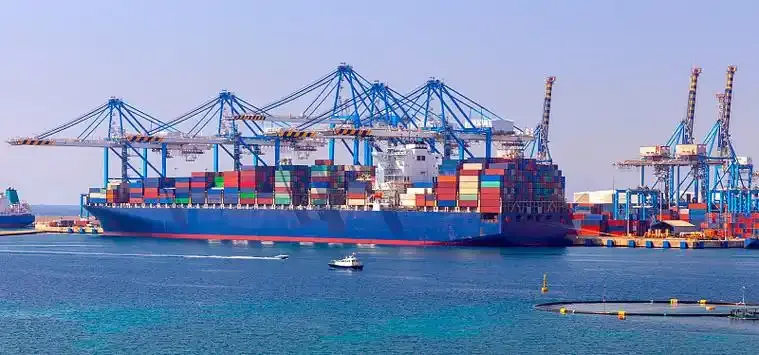
Two tankers were attacked in the Strait of Hormuz, injuring two crew members, as the US reports rising commercial transits through the waterway.
Two Tankers Attacked in the Strait of Hormuz
Two tankers have been attacked in the Strait of Hormuz, leaving two crew members injured, according to maritime security reports. The incidents come as the United States claims growing numbers of commercial transits through the strategic waterway, highlighting the persistent security risks facing vessels in one of the world's most critical oil and gas chokepoints.
The Strait of Hormuz connects the Persian Gulf with the Gulf of Oman and the Arabian Sea. It is the world's most important oil transit chokepoint, with a substantial share of global seaborne crude and refined products passing through daily. Any disruption there can quickly ripple through energy markets, freight rates, and vessel schedules far beyond the region.
What Happened
Details remain limited, but the reports indicate that two tankers were targeted in separate or related attacks in the waterway. Two crew members were injured. The nationalities of the vessels, the nature of the attacks, and the extent of damage have not been fully disclosed in the initial reports.
- Two tankers were attacked in the Strait of Hormuz.
- Two crew members were injured.
- The US claims growing numbers of commercial transits through the waterway.
- Specific details on vessel identity, cargo, and damage remain unconfirmed.
Security Context
Attacks on commercial shipping in the Middle East have occurred periodically in recent years, often tied to regional geopolitical tensions. The Strait of Hormuz is a narrow passage—at its narrowest, only about 21 miles wide—with designated shipping lanes that make vessels predictable targets. Naval forces from multiple countries, including the US, have maintained a presence to escort and protect commercial traffic.
The US assertion of growing commercial transits suggests that, despite the risks, many operators continue to use the route. However, each attack reinforces the need for heightened vigilance, route planning, and crew safety protocols.
Implications for Ocean Freight Shippers
For shippers moving cargo through the Middle East or relying on ocean freight from Asian and European ports, the attacks are a reminder that geopolitical risk can translate into operational disruption. While the immediate impact may be localized, the knock-on effects can include:
- Higher war risk insurance premiums for vessels calling at ports in the region.
- Route diversions if carriers deem the strait too dangerous, adding transit time and cost.
- Schedule reliability issues as vessels reroute or wait for convoy escorts.
- Crew safety concerns that can affect vessel availability and morale.
Shippers with time-sensitive or high-value cargo should review their supply chain exposure and consider contingency plans. For some, that may mean shifting to alternative modes or routes where feasible. Wintoo's ocean freight services can help evaluate options and keep cargo moving despite regional disruptions.
Market and Rate Outlook
Energy markets are often the first to react to Hormuz incidents. Even if the attacks do not halt transits, they can introduce volatility in oil prices and freight rates. Bunker fuel costs may rise, and carriers could implement emergency surcharges. For containerized cargo, the impact may be less direct but still felt through equipment imbalances and schedule adjustments.
It is too early to predict the full market response. Much will depend on whether the attacks are isolated or part of a broader escalation. Shippers should monitor advisories from carriers, insurers, and maritime security agencies.
What Shippers Can Do
- Stay informed through official maritime security updates and carrier advisories.
- Review insurance coverage, including war risk and cargo clauses.
- Build buffer time into supply chains that rely on Middle East transits.
- Communicate with freight forwarders about alternative routings or modes.
- Prioritize crew safety and welfare in any decision-making.
Wintoo continues to monitor the situation and will provide updates as more information becomes available. For cargo that must move through affected regions, our team can assist with container shipping and multimodal alternatives to mitigate risk.
Conclusion
The attacks on two tankers in the Strait of Hormuz, which injured two crew members, underscore the fragile security environment in a waterway that is vital to global trade. While the US reports growing commercial transits, the incidents serve as a stark reminder that risk management remains essential for ocean freight. Shippers should remain agile, informed, and prepared to adapt their logistics strategies as the situation evolves.
A Forwarder's Take: What This Means for Your China Cargo
From where we sit in Shenzhen, Hormuz headlines rarely change your booking next week — but they change the conversation you should be having with us. If you import from China into the Gulf, Red Sea or Europe, the practical exposure is usually not the strait itself but the knock-on effects: war-risk surcharges, convoy delays, and carriers reshuffling strings so that a vessel meant for your lane gets redeployed.
- Ask your forwarder two blunt questions: which specific services in my booking touch the affected region, and what is the contingency routing if my carrier suspends it?
- For Gulf-bound cargo, expect quotes to hold for shorter windows than usual — often days rather than weeks — and confirm whether war-risk or emergency surcharges are included or floating.
- If you ship to Europe via Suez, budget extra buffer: rerouting around the Cape typically adds roughly 10-14 days versus the Suez routing, depending on origin and destination.
- Check your cargo insurance now, not after an incident; standard policies often exclude war and strikes unless specifically endorsed.
Don't panic-book air freight for routine restocking — the cost gap is rarely justified unless your line is genuinely down. Do, however, split critical SKUs across two routings and keep 2-3 weeks of safety stock on Gulf-exposed items. The shippers who weather these events best are the ones who ask early and stay flexible.
Sources
Get a freight quote
Tell us what you're moving and where — we'll reply within one working day.