
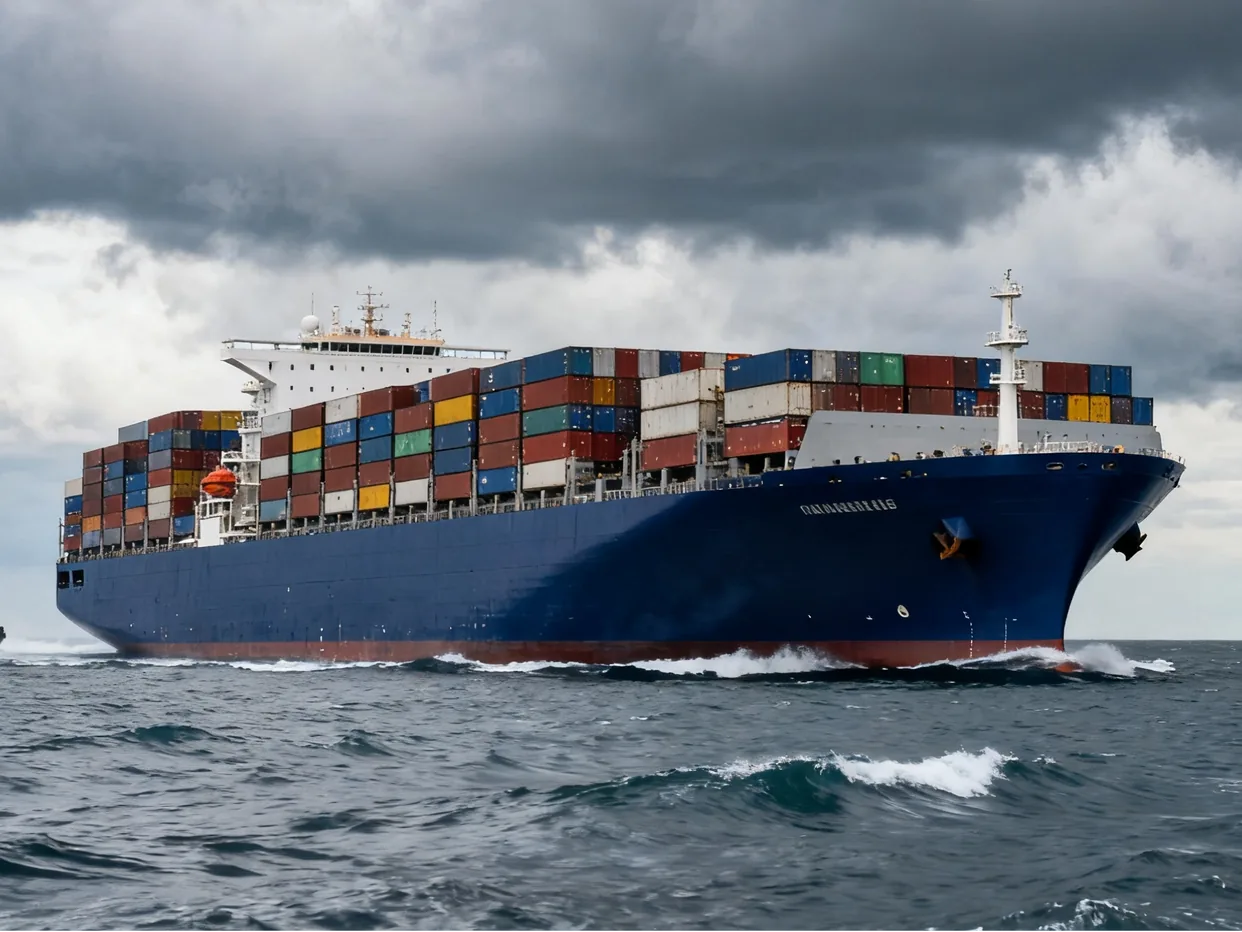
Asia-Europe container spot rates ended a three-month decline this week, with Shanghai-Rotterdam and Shanghai-Genoa routes posting gains as carriers prepare new FAK rate increases.
Spot Rates Reverse Three-Month Decline
Container spot rates on the Asia-Europe trade have broken a three-month losing streak, according to the latest World Container Index (WCI) from Drewry. The Shanghai-Rotterdam leg rose 6% week on week to $3,522 per 40ft container, while the Shanghai-Genoa route climbed 7% to $3,945 per 40ft. The uptick marks the first weekly increase since the decline began, signalling a potential floor for pricing on one of the world's busiest east-west corridors.
The reversal comes as carriers prepare to implement new Freight All Kinds (FAK) rate increases this month. FAK rates are the published, non-contractual prices that shipping lines offer for general cargo, and they typically serve as a benchmark for spot market negotiations. When carriers announce FAK hikes, they are effectively setting a higher floor for short-term bookings, which can quickly feed through to the rates paid by shippers without long-term contracts.
What Is Driving the Increase?
Several factors appear to be supporting the rate recovery:
- Tight capacity: Despite new vessel deliveries over the past year, effective capacity on Asia-Europe routes remains constrained by longer voyage distances linked to routing diversions, as well as active blank sailing programmes by major alliances.
- Carrier discipline: Lines have shown a willingness to manage supply through cancelled sailings and slow steaming, helping to absorb excess tonnage and prevent rates from falling further.
- Seasonal demand: The approach of peak shipping season for year-end inventory restocking in Europe is adding upward pressure on volumes, particularly for consumer goods and e-commerce cargo.
- FAK announcements: The mere announcement of upcoming FAK increases can prompt shippers to book earlier to lock in current rates, creating a short-term demand spike that supports the spot market.
Implications for Shippers
For importers and exporters moving goods between Asia and Europe, the rate reversal is a signal to review freight strategies. Spot market volatility remains high, and the gap between contract and spot rates can widen quickly during periods of adjustment.
Shippers with upcoming shipments may want to consider:
- Locking in rates early: If a FAK increase is imminent, booking before the effective date can secure current pricing.
- Balancing contract and spot coverage: A mix of long-term contracts and spot bookings can provide cost stability while retaining flexibility.
- Exploring alternative modes: For time-sensitive cargo, air freight services may offer a viable alternative when ocean rates spike, while rail freight between China and Europe can provide a middle ground on cost and transit time.
Capacity Outlook Remains Uncertain
While the immediate trend is upward, the longer-term picture is less clear. New container ships continue to enter the global fleet, and if demand growth does not keep pace, carriers may struggle to sustain rate increases beyond the short term. Much will depend on how aggressively lines manage capacity through blank sailings and whether European demand recovers meaningfully in the coming months.
For now, the market has paused its decline. Whether this becomes a sustained recovery or a brief correction will hinge on carrier discipline and the strength of peak season demand. Shippers should stay informed and maintain flexible logistics plans to navigate the uncertainty.
How Wintoo Can Help
Navigating volatile ocean freight rates requires up-to-date market intelligence and strong carrier relationships. Wintoo's ocean freight team monitors rate movements across all major trade lanes and can help you secure competitive pricing, whether you are booking spot cargo or negotiating annual contracts. With integrated sea, air, rail, and express solutions, we provide the flexibility to adapt your supply chain as market conditions change.
The Forwarder's View: What This Rate Bounce Really Means
From where we sit in Shenzhen, a 6-7% weekly uptick is less a market recovery than a signal that carriers have found the floor they are willing to defend. FAK announcements are as much psychological tools as pricing ones — they pull forward bookings, fill the next few sailings, and give lines breathing room to test how much the market will absorb. For importers, the practical takeaway is that the cheapest window is usually before the GRI/FAK effective date, not after.
A few things worth doing now:
- Ask your forwarder which specific sailings the new FAK applies to, and whether named-account or NAC rates still sit below it — the gap is often meaningful.
- If you ship regularly, price a short fixed-rate window (one to three months) rather than a full annual contract; locking in a peak-season rate for twelve months rarely pays off.
- For urgent or high-value cargo, compare door-to-door air and China-Europe rail before accepting an ocean rollover — transit differences of 15-25 days can outweigh the rate saving.
- Confirm what happens if your cargo rolls: who absorbs the rebooking at the higher FAK?
The question to put to your forwarder is simple: "What is my all-in cost if this booking rolls into next week's FAK?" If they cannot answer clearly, you are carrying the rate risk, not them.
Sources
Get a freight quote
Tell us what you're moving and where — we'll reply within one working day.