
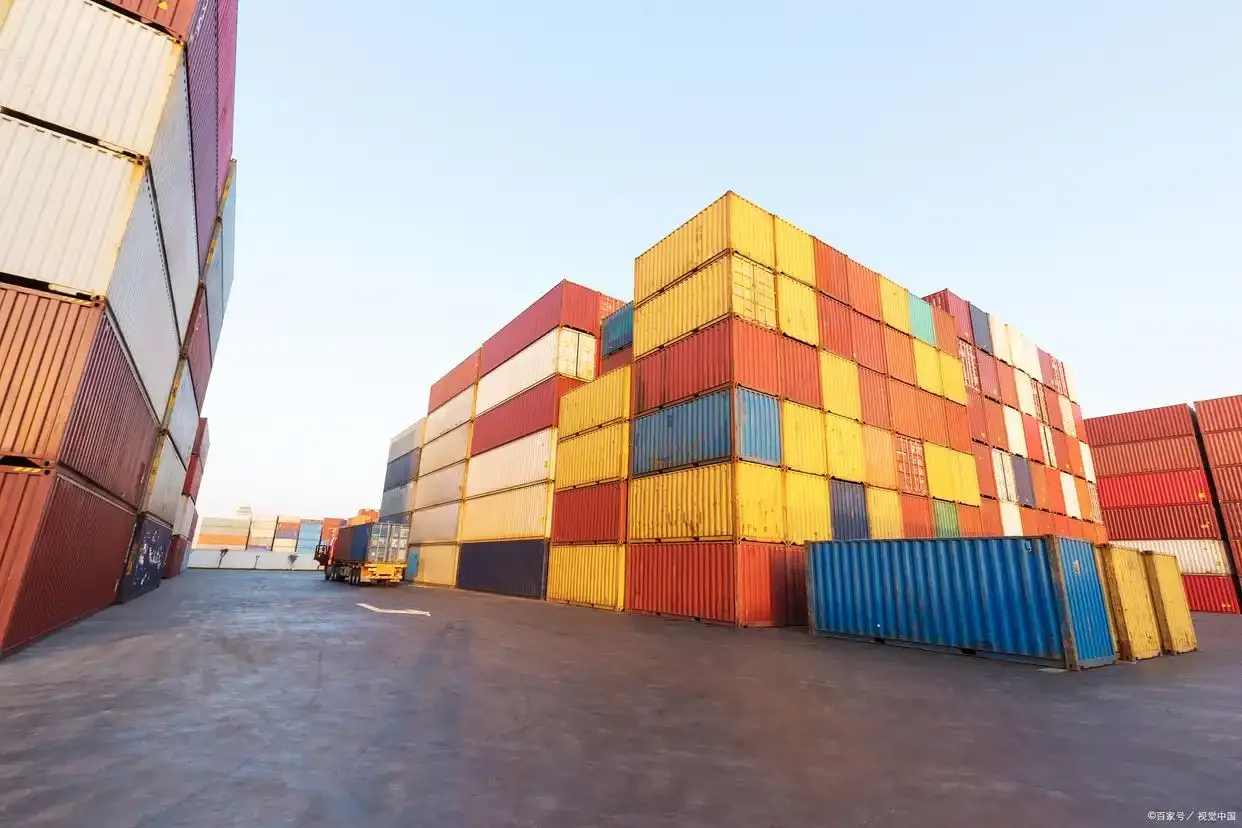
Chittagong Port Authority is tendering for a private operator to develop a second inland container terminal at Pangaon, adding barge capacity between Dhaka and Chittagong.
Chittagong Port Authority Opens Tender for Pangaon Site
The Chittagong Port Authority (CPA) is seeking a private investor to develop a second inland container terminal at Pangaon, according to a report by The Loadstar. The authority is offering 22 acres of land beside the existing Pangaon facility, which sits on the river system serving Dhaka.
The proposed terminal is intended to add capacity for containers moving by barge between the Bangladeshi capital and Chittagong Port, the country's principal seaport. The tender calls for an operator to develop and manage the site and to provide container-handling services.
Why Barge Capacity Matters for Dhaka Cargo
For shippers in and around Dhaka, the road link to Chittagong is a persistent bottleneck. The highway connecting the two cities is heavily congested, and truck transit times can be unpredictable. Moving containers by barge along the river offers an alternative that bypasses road congestion entirely.
The existing Pangaon terminal already handles barge traffic between Dhaka and Chittagong Port. A second facility on adjacent land would expand that capability, giving shippers more options for moving boxes between the capital's industrial hinterland and the seaport.
For freight forwarders and their customers, additional inland capacity can translate into:
- More scheduling options for containers moving to and from Dhaka
- Reduced reliance on a single congested highway corridor
- Potential for more predictable transit times on the Dhaka–Chittagong leg
- Added competition among inland terminal operators
What the Tender Covers
The CPA's tender asks a private operator to develop and manage the site and to provide container-handling services at Pangaon. The authority is offering 22 acres beside the existing terminal for the project.
The item does not specify a timeline for the tender, the expected investment value, or a target operational date. Those details would typically emerge as the procurement process advances and a preferred bidder is selected.
The Bigger Picture: Inland Terminals and Port Competitiveness
Bangladesh's export and import volumes have grown steadily, and Chittagong Port has faced pressure to handle larger cargo flows efficiently. Inland container terminals are one way to relieve that pressure: by shifting some container handling and barge movements away from the seaport itself, they can help smooth the flow of boxes between the port and the Dhaka region.
Barge services on the Dhaka–Chittagong corridor are already established, but capacity at Pangaon is finite. Adding a second terminal would expand the river route's throughput potential and give shippers a genuine alternative to road haulage for the inland leg.
For international freight forwarders, the development is worth watching. Inland terminal capacity affects how quickly containers can be positioned for export loading and how fast import boxes can be cleared and moved inland. More capacity at Pangaon could improve reliability on both directions of the Dhaka–Chittagong journey.
What Shippers Should Watch
Several questions remain open until the tender process produces a winner:
- Which operator will be selected, and what container-handling equipment they will deploy
- Whether barge schedules will increase in frequency once the second terminal opens
- How the new facility will connect with existing road and rail links serving Dhaka
- Whether the added capacity will reduce overall inland transit costs
Shippers moving cargo through Chittagong should monitor the tender's progress, as a second Pangaon terminal could change the economics of the Dhaka inland leg over the medium term.
How Wintoo Can Help
Wintoo supports shippers moving cargo through South Asian ports and inland corridors, combining ocean freight with inland transport planning and container handling expertise. As inland terminal capacity at Pangaon develops, our team can help you assess routing options between Dhaka and Chittagong Port and build contingency into your supply chain.
For cargo owners evaluating Bangladesh as a sourcing or destination market, the expansion of river-based container movement is a development to factor into medium-term logistics planning.
A Forwarder's View: What Pangaon Means for Your China–Bangladesh Cargo
From where we sit, this tender matters less for what it adds than for what it signals: Bangladesh is slowly building redundancy into a corridor that has had almost none. For importers shipping out of China into Dhaka, the pain point is rarely the ocean leg — it's the last few hundred kilometres. When the Chittagong–Dhaka highway backs up, your boxes sit, demurrage clocks run, and your factory line waits.
Practical reactions:
- Treat barge routing as a genuine option, not a fallback, for non-urgent FCL. Ask your forwarder to quote both road and river legs so you can compare landed cost, not just freight rate.
- Build buffer into your delivery windows now. Inland legs on this corridor typically run several days and can stretch well beyond that in peak season.
- Ask whether your cargo is barge-compatible — weight limits, terminal handling equipment and cut-off discipline at Pangaon vary.
Questions for your forwarder: Which inland terminal do you actually use, and who controls the box once it leaves Chittagong? What's your contingency when the highway seizes up? And will added Pangaon capacity translate into your rates, or just the operator's margin?
Capacity alone won't fix reliability — equipment, scheduling and customs coordination will decide whether this becomes a real alternative.
Sources
Get a freight quote
Tell us what you're moving and where — we'll reply within one working day.