
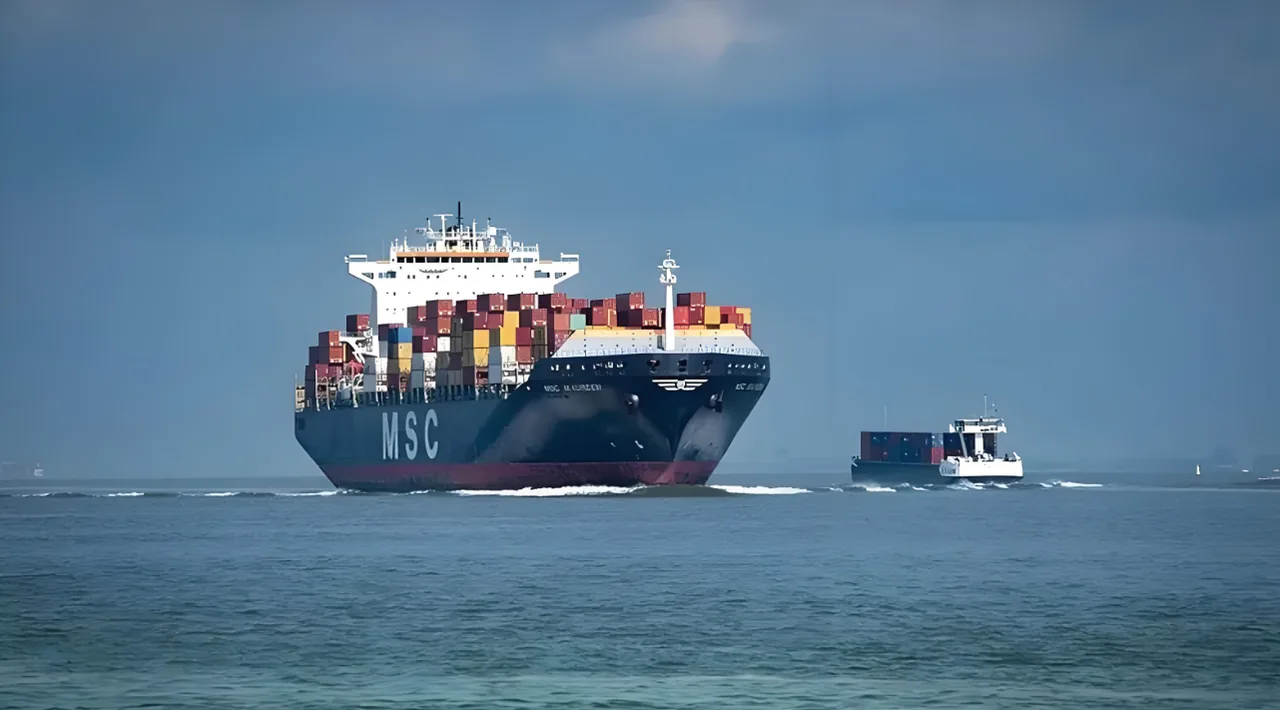
Container spot rates on Asia-Europe routes are falling sharply, contrasting with a strong Pacific market since April. The divergence poses challenges for carriers and opportunities for shippers.
Diverging Fortunes in Container Shipping
Container shipping markets are telling two very different stories. While carriers operating on the Pacific have enjoyed a profitable stretch since April, their counterparts on the Asia-Europe trades have watched spot rates slide steeply. The contrast highlights how regional supply-demand dynamics and capacity management can produce sharply divergent outcomes within the same industry.
The decline on Europe-bound routes is not a sudden development; it reflects a steady erosion of rate levels over recent months. For shippers, this trend may bring welcome relief on freight costs, but it also raises questions about the sustainability of service levels if carriers begin to adjust capacity in response.
What’s Driving the Decline?
Several factors appear to be at play. First, the Pacific market has benefited from stronger demand and tighter capacity, allowing carriers to push through higher rates. In contrast, the Asia-Europe trade has seen softer demand growth, leading to overcapacity and downward pressure on prices. Additionally, new vessel deliveries have added capacity to the global fleet, with a disproportionate impact on routes where demand is lackluster.
- Capacity growth: New ultra-large container ships are entering service, primarily on the Asia-Europe route, exacerbating the supply-demand imbalance.
- Demand softness: European import demand has not kept pace with the capacity additions, leaving carriers to compete for cargo.
- Operational adjustments: Some carriers have blanked sailings or slowed steaming to manage capacity, but these measures have not been enough to halt the rate decline.
Implications for Shippers
For businesses importing from Asia to Europe, the falling rates present a clear opportunity to reduce logistics costs. However, shippers should be cautious: rates can be volatile, and the current decline may not persist indefinitely. Carriers may take more aggressive steps to stabilize the market, such as further blanking sailings or withdrawing services. Shippers with long-term contracts may already be locked into higher rates, while those relying on the spot market can benefit from the current environment.
It is also worth noting that lower rates can sometimes lead to service reductions or slower transit times as carriers seek to cut costs. Shippers should monitor schedule reliability and transit times, not just price. For those looking to optimize their supply chains, now could be a good time to renegotiate contracts or explore alternative routing options, such as rail freight from China to Europe, which can offer a balance of cost and speed.
Carrier Strategies and Market Outlook
The divergence between the Pacific and Europe trades is likely to persist in the near term. Carriers on the Pacific have been able to implement general rate increases (GRIs) and peak season surcharges, while those on the Asia-Europe route have struggled to maintain even basic rate levels. This has led to speculation that some carriers may reallocate capacity from Europe to the Pacific, although such moves are constrained by vessel deployment and network considerations.
Looking ahead, the key question is whether the Asia-Europe rate decline will bottom out. Much depends on demand trends in Europe and how aggressively carriers manage capacity. If demand picks up, rates could stabilize; if not, further declines are possible. Shippers should stay informed and be prepared to adapt their logistics strategies accordingly.
How Wintoo Can Help
Navigating volatile freight markets requires a partner with expertise across multiple modes. Wintoo offers comprehensive ocean freight services from Asia to Europe, as well as integrated rail, air, and express solutions. Our team can help you secure competitive rates, manage capacity during peak periods, and optimize your supply chain for both cost and reliability. Whether you are looking to take advantage of current low rates or diversify your routing options, Wintoo is here to support your logistics needs.
As the market evolves, we will continue to monitor developments and provide timely updates. For personalized advice, contact our team today.
What This Divergence Means for Your China Sourcing
Falling Asia-Europe spot rates look like a gift, but treat them as a window, not a new normal. In our daily bookings out of Shenzhen, Yantian and Ningbo, soft Europe demand usually means carriers quietly trim the strings that matter to importers: fewer direct sailings, more rolling of containers, longer dwell at transshipment hubs, and transit times stretching from a typical 30-40 days to 45-plus. The cheap rate you book today can cost you a stockout tomorrow.
Practically, importers should:
- Split volumes: lock a base allocation on contract, keep a slice on spot to capture dips.
- Ask your forwarder for the all-in landed cost — origin charges, peak surcharges, detention and demurrage risk — not just the base ocean rate.
- Confirm sailing frequency and rollover policy per service, not per carrier.
- Stress-test a rail or sea-rail alternative for time-critical SKUs.
Questions worth putting in writing: How many sailings per week on my lane, and what's your rollover rate? What's your contingency if my service is blanked? Can you guarantee equipment at origin during Golden Week?
Cheap freight is only cheap if your cargo arrives when your customers need it.
Sources
Get a freight quote
Tell us what you're moving and where — we'll reply within one working day.