
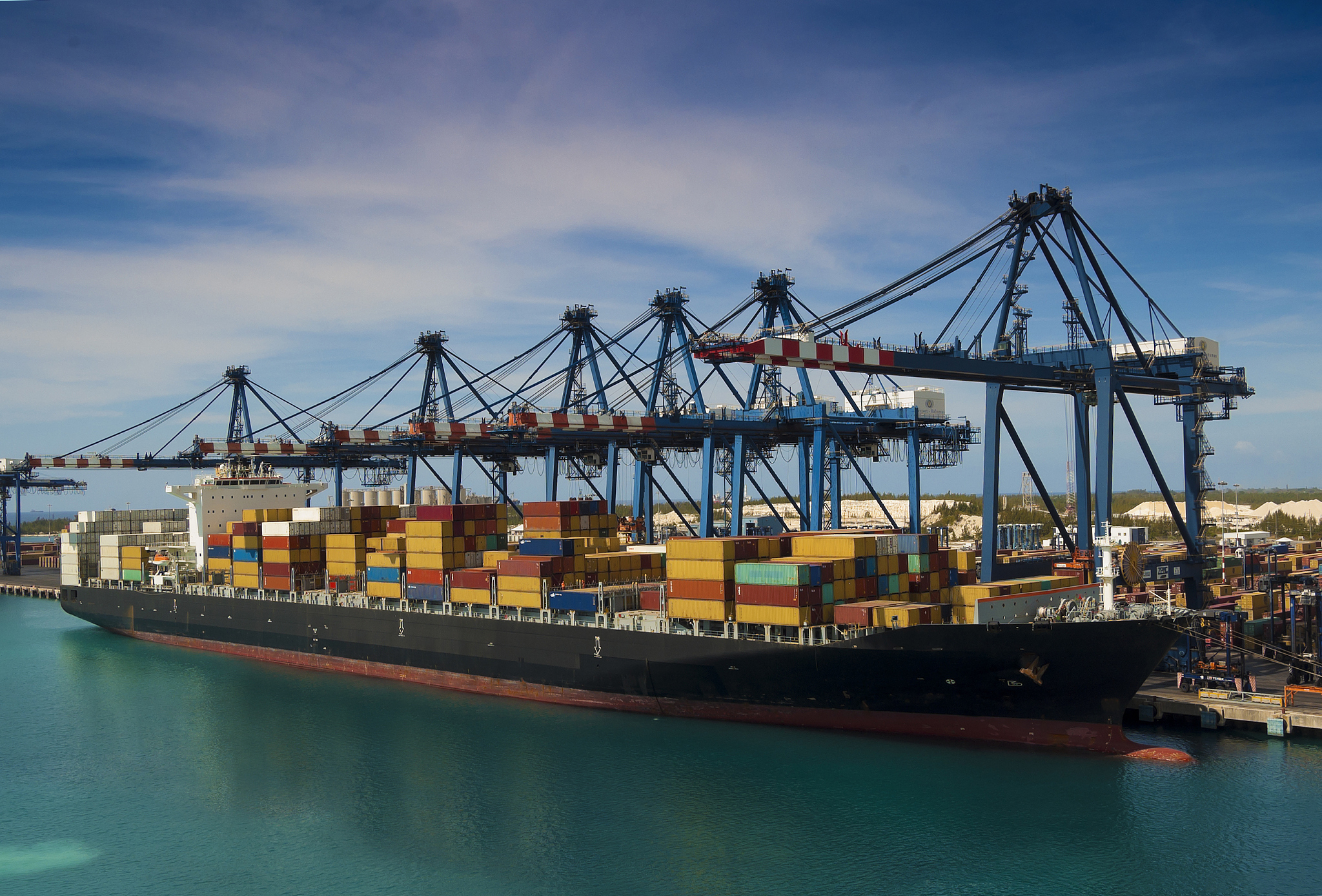
Major shipping nations warn that conflicts, trade wars, and climate events signal a structural shift, not temporary disruptions, in global trade.
A Structural Shift, Not a Blip
In a rare joint statement, 18 of the world's most influential shipping nations have declared that the recent spate of disruptions battering maritime supply chains is not a series of isolated incidents but evidence of a fundamental, structural change in global trade. The warning, issued on Tuesday, underscores a growing consensus among policymakers that the era of predictable, low-cost global shipping may be giving way to a more fragmented and volatile landscape.
The nations, which together control a significant share of global shipping tonnage and trade routes, pointed to three primary forces driving this shift: armed conflicts, trade wars, and extreme weather events. Each of these has individually caused major disruptions in recent years, but their convergence and increasing frequency signal a new normal that shippers and logistics providers must adapt to.
Conflict and Geopolitical Tension
Armed conflicts in key maritime chokepoints have directly threatened the safety of crew, vessels, and cargo. Attacks on commercial shipping in the Red Sea, for example, have forced many carriers to reroute around the Cape of Good Hope, adding weeks to transit times and significantly increasing fuel costs. Similarly, tensions in the South China Sea and the Persian Gulf continue to pose risks to some of the world's busiest shipping lanes. These are not temporary security flare-ups but reflect deeper geopolitical rivalries that are unlikely to resolve quickly.
Trade Wars and Protectionism
The rise of tariffs, export controls, and other protectionist measures has begun to reshape trade flows. As major economies impose duties on each other's goods, shippers are being forced to find alternative suppliers and markets, often at higher cost. The statement warns that such policies, while politically popular in some quarters, ultimately raise prices for consumers and businesses alike, and contribute to the fracturing of the integrated global economy that has driven growth for decades.
Climate Change and Extreme Weather
Extreme weather events, intensified by climate change, are also taking a heavier toll on maritime operations. Droughts have reduced water levels in the Panama Canal, limiting the number of vessels that can pass and forcing some to take longer, more expensive routes. More frequent and severe storms are disrupting port operations and damaging infrastructure. These environmental pressures are not cyclical but are expected to worsen, making supply chains more vulnerable to disruption.
What This Means for Shippers
For businesses that rely on international freight, the message is clear: the era of just-in-time, low-cost global shipping may be ending. The shipping nations' warning suggests that companies should expect higher freight rates, longer transit times, and greater volatility as the norm. To mitigate these risks, shippers will need to build more resilience into their supply chains, which may involve diversifying sourcing, increasing inventory buffers, and investing in more flexible logistics strategies.
At Wintoo, we are closely monitoring these developments and are committed to helping our clients navigate this changing landscape. Our team of experts can provide up-to-date market intelligence and tailored solutions to manage risk and optimize supply chain performance in an increasingly uncertain world.
A Call for Cooperation
The joint statement also serves as a call for international cooperation to address the root causes of this fracturing. The shipping nations urge dialogue to resolve conflicts, roll back protectionist measures, and accelerate efforts to mitigate climate change. They argue that a stable, open, and predictable trading system benefits all nations, and that the costs of fragmentation are borne by everyone, from large manufacturers to individual consumers.
As the situation evolves, Wintoo will continue to provide timely updates and analysis to help you stay informed and prepared. For more insights on how these trends may affect your shipments, please reach out to our team.
Sources
Get a freight quote
Tell us what you're moving and where — we'll reply within one working day.