
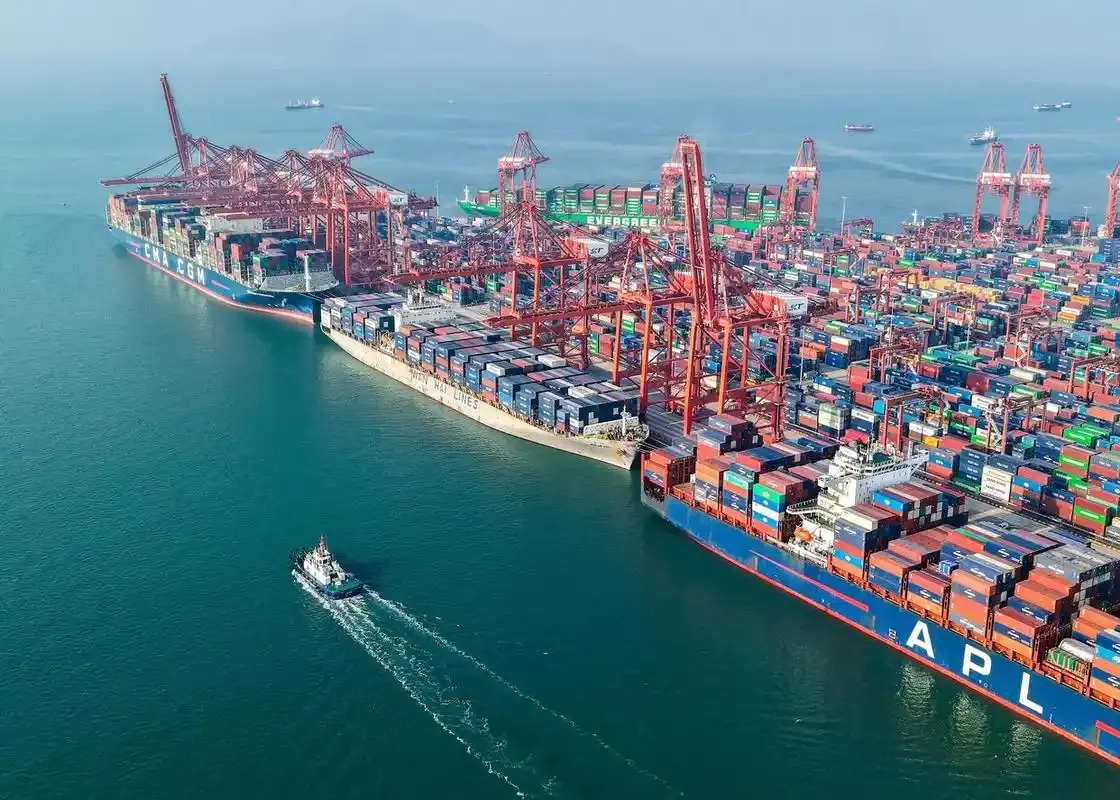
Oman-led talks to reopen the Strait of Hormuz have collapsed, leaving Middle East shippers facing record container spot rates as the US-Israel-Iran conflict enters its seventh month.
Hormuz Talks Collapse as Rates Soar to Unprecedented Levels
Oman-led negotiations aimed at resolving the passage of commercial vessels through the Strait of Hormuz, which were scheduled to be held in Salalah, have now collapsed. The failure of the talks is another blow for Middle East shippers, who are already facing the highest container shipping costs on record.
The US-Israel-Iran conflict has now entered its seventh month. According to The Loadstar, hostilities have effectively shut down container shipping services through the Strait of Hormuz, and importers across the Gulf region are watching spot rates climb to unprecedented levels.
A Chokepoint Under Pressure
The Strait of Hormuz is one of the world's most strategically important maritime chokepoints, connecting the Persian Gulf with the Gulf of Oman and the wider Indian Ocean. A significant share of global containerized cargo destined for Gulf Cooperation Council (GCC) markets—including the UAE, Saudi Arabia, Qatar, Kuwait, Bahrain and Oman—normally moves through this narrow waterway.
With the strait effectively closed to container services, carriers have been forced to reroute vessels, adjust schedules and, in many cases, suspend services altogether. The result is a severe capacity crunch that has pushed spot rates to record highs and left importers scrambling for alternatives.
What the Stalemate Means for Shippers
For businesses moving cargo into and out of the Gulf, the collapse of the Salalah talks removes the most immediate prospect of relief. Key impacts include:
- Sustained rate pressure. With the strait closed to container shipping, capacity remains constrained, and spot rates are likely to stay elevated for as long as the conflict continues.
- Longer transit times. Rerouted services and alternative port calls are adding days to schedules, complicating inventory planning and just-in-time supply chains.
- Surcharge exposure. Carriers facing higher insurance, fuel and diversion costs typically pass these on through emergency surcharges, further inflating the landed cost of goods.
- Booking uncertainty. With lines reassessing their networks, shippers may face rolled cargo, blank sailings and last-minute schedule changes.
Alternative Routing Options
While the Strait of Hormuz remains effectively closed to container services, shippers are not without options. Freight forwarders and logistics providers are increasingly turning to multimodal solutions that bypass the affected waterway.
For cargo from Asia, ocean services can be routed to alternative gateways such as Salalah in Oman, Jeddah in Saudi Arabia or ports on the Indian subcontinent, combined with overland trucking or feeder services into the Gulf. In some cases, ocean freight via the Red Sea followed by road transport may prove more reliable than waiting for direct Gulf services to resume.
For time-critical or high-value shipments, air freight offers a faster—albeit more expensive—alternative. Air capacity into Gulf hubs such as Dubai, Doha and Riyadh remains available, and while rates have risen, the premium may be justified for urgent cargo.
Planning for Prolonged Disruption
With the conflict now in its seventh month and diplomatic efforts stalled, shippers should prepare for the possibility that disruption will persist well into the future. Practical steps include:
- Building buffer stock where warehouse capacity allows, to cover critical inventory.
- Diversifying routing across multiple gateways and transport modes rather than relying on a single service.
- Locking in capacity early, as space on alternative services may tighten further.
- Reviewing Incoterms and contracts to clarify who bears the cost of rerouting and surcharges.
- Staying informed through regular updates from carriers and freight forwarders, as conditions can change rapidly.
How Wintoo Can Help
Wintoo's international freight forwarding team is closely monitoring developments in the Middle East and can help shippers identify viable routings, secure capacity and manage costs during this period of extreme market volatility. Whether you need ocean, air, rail or express solutions, our specialists can build a multimodal plan tailored to your cargo and timeline.
Contact Wintoo to discuss contingency plans for your shipments to or from the Gulf. Wintoo has been engaged in freight forwarding for eight years and has extensive experience shipping from China to destinations around the world. No matter how the global situation changes, Wintoo remains committed to this industry.
Sources
Get a freight quote
Tell us what you're moving and where — we'll reply within one working day.