
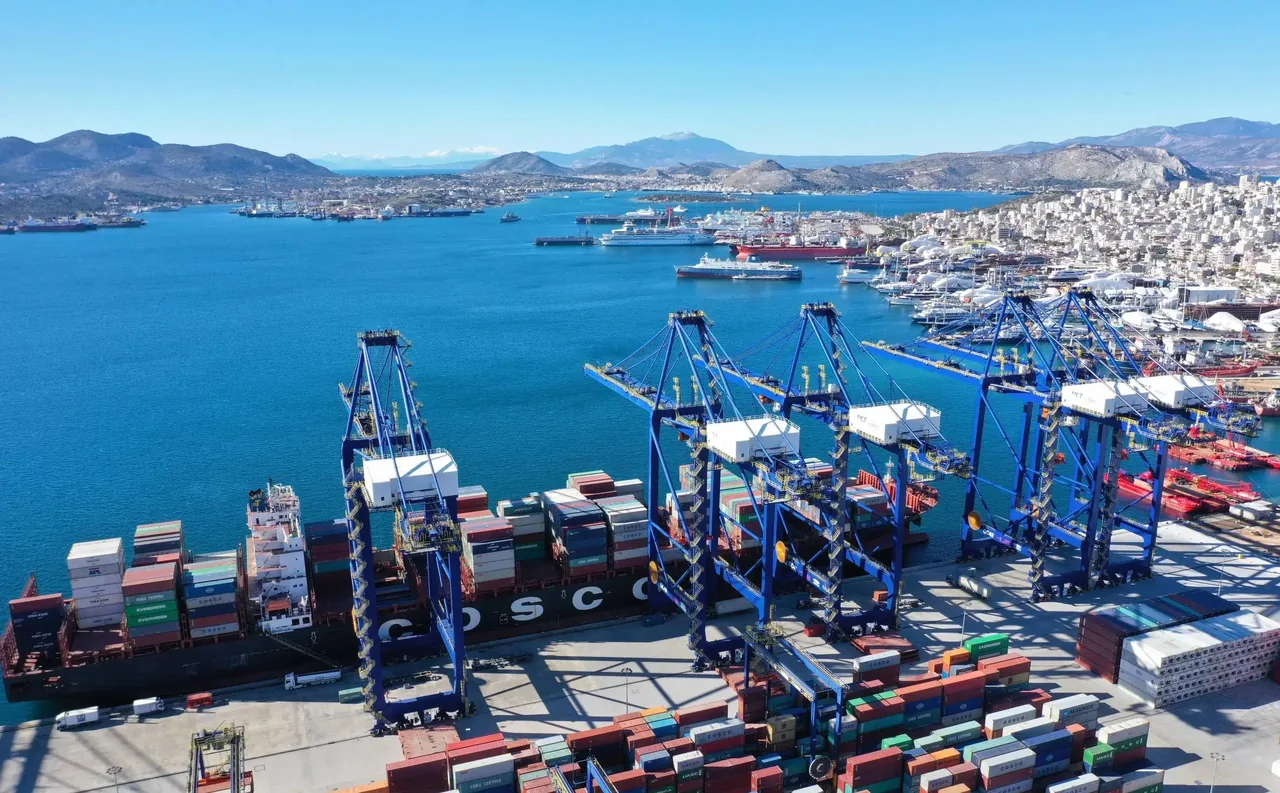
A practical guide to shipping from China to France, covering sea, air, rail and express options, transit times, costs, customs and documentation.
Shipping from China to France: Mode Options and Transit Times
France is one of Europe's largest import markets, and most cargo from China arrives through the ports of Le Havre, Marseille-Fos and Dunkirk, or via Paris Charles de Gaulle (CDG) airport. The right mode depends on your cargo's value, urgency and volume. Below is a practical comparison of the main options.
- Sea freight (FCL/LCL): The default for bulk and heavy goods. Transit from major Chinese ports (Shanghai, Ningbo, Shenzhen, Qingdao) to Le Havre or Marseille typically takes 30–40 days port-to-port, plus inland delivery. FCL is cost-effective for volumes above about 15 cbm; LCL suits smaller shipments but adds consolidation time and handling fees.
- Air freight: Best for high-value, time-sensitive or perishable goods. Direct or connecting flights from Shanghai, Beijing, Guangzhou or Shenzhen to Paris CDG usually take 3–7 days door-to-door. Rates are significantly higher per kilo than sea, so air is typically justified when speed protects margins.
- Rail freight: An increasingly popular middle option via the China–Europe rail corridor, often entering Europe through Poland or Germany before onward trucking to France. Typical transit is 18–25 days door-to-door, with costs between sea and air. See China-Europe rail freight service for routing details.
- Express courier: For samples, spare parts and e-commerce parcels under roughly 100–200 kg, express services (DHL, FedEx, UPS and similar) offer 3–6 day delivery with door-to-door tracking and simplified customs.
The Shipping Process Step by Step
- Booking and space allocation: Confirm cargo details (weight, volume, HS code) and book space with your forwarder. For sea freight, decide FCL or LCL; for air, confirm chargeable weight.
- Pickup and export clearance: Cargo is collected from your supplier, consolidated if needed, and cleared for export in China.
- Main carriage: Sea, air, rail or express transport to France.
- Import clearance: Your French customs broker or forwarder files the import declaration and pays duties and VAT.
- Final delivery: Cargo is released and delivered to your warehouse or directly to your customer.
What Affects Cost
Freight costs from China to France vary with seasonality, fuel surcharges and capacity. Key cost drivers include:
- Chargeable weight and volume: Sea freight prices by cbm or container; air by chargeable weight (volumetric or actual, whichever is greater).
- Routing and port/airport choice: Le Havre and Marseille have different congestion and inland cost profiles; CDG is France's main air gateway.
- Incoterms: FOB, CIF or DDP arrangements shift who pays for freight, insurance and duties.
- Seasonality: Peak periods before Chinese New Year and in Q4 often tighten capacity and raise rates.
- Cargo type: Dangerous goods, oversized items and temperature-controlled cargo carry surcharges.
Documents and Customs in France
French import clearance is handled through the EU's customs systems. Typical documents include:
- Commercial invoice and packing list
- Bill of lading (sea) or air waybill (air)
- Certificate of origin where preferential treatment applies
- HS classification and, for regulated products, conformity certificates (e.g. CE marking)
Importers must have an EORI number. Most goods attract EU import duty based on HS code plus French VAT (usually 20%, with reduced rates for some goods). France also applies EU product-safety and environmental rules, so check whether your product needs specific labelling or registration before shipping.
Practical Tips for Shippers
- Plan around lead times, not just freight time. Add 5–10 days for booking, consolidation and customs to your transit estimate.
- Use Incoterms deliberately. DDP simplifies budgeting but can hide costs; FOB gives you control over freight choice.
- Consolidate where possible. LCL and rail consolidation can reduce per-unit cost for smaller volumes.
- Insure high-value cargo. Marine cargo insurance is inexpensive relative to the risk.
- Work with a forwarder who knows French customs. A partner experienced in EU clearance reduces delays. For door-to-door options, see ocean freight services.
Whether you choose sea, air, rail or express, matching the mode to your cargo's urgency and value is the single biggest lever on both cost and reliability when shipping from China to France.
What This Means for Importers Shipping Out of China
The guide tells you what the modes are; it doesn't tell you how to decide under real-world pressure. From the forwarder's desk, the biggest mistakes we see on the China–France lane are made before booking, not in transit. Treat the mode choice as a margin decision, not a freight-rate decision: if your landed cost per unit can absorb air on the top 10–15% of SKUs, you buy yourself weeks of buffer when sea schedules slip. For routine replenishment, book sea or rail capacity early and lock space rather than chasing spot rates in peak season.
- Ask your forwarder for a door-to-door landed-cost quote, not a port-to-port rate — inland France delivery and customs brokerage often swing the comparison between Le Havre and Marseille.
- Confirm who holds the EORI and files the declaration; unclear responsibility here is the most common cause of clearance delays.
- Request the HS code and duty/VAT estimate in writing before you commit purchase orders.
- Ask what happens if customs queries your goods — who responds, in what language, and at whose cost.
- For rail, ask which border crossing and onward trucking is planned, since routing changes affect both transit and reliability.
Build 5–10 days of slack into every plan and treat your forwarder as a customs partner, not just a rate provider.
Get a freight quote
Tell us what you're moving and where — we'll reply within one working day.