
A practical guide to shipping from China to Nigeria, covering sea, air and express options, transit times, costs, customs clearance and essential documents for importers.
Shipping from China to Nigeria: Options and Overview
Nigeria is one of Africa's largest import markets, and China is a major source of goods ranging from electronics and machinery to textiles and consumer products. For shippers, understanding the logistics landscape is essential to control costs and avoid delays. This guide covers the main transport modes, typical transit times, cost drivers, customs procedures and practical tips for shipping from China to Nigeria.
Transport Modes: Sea, Air and Express
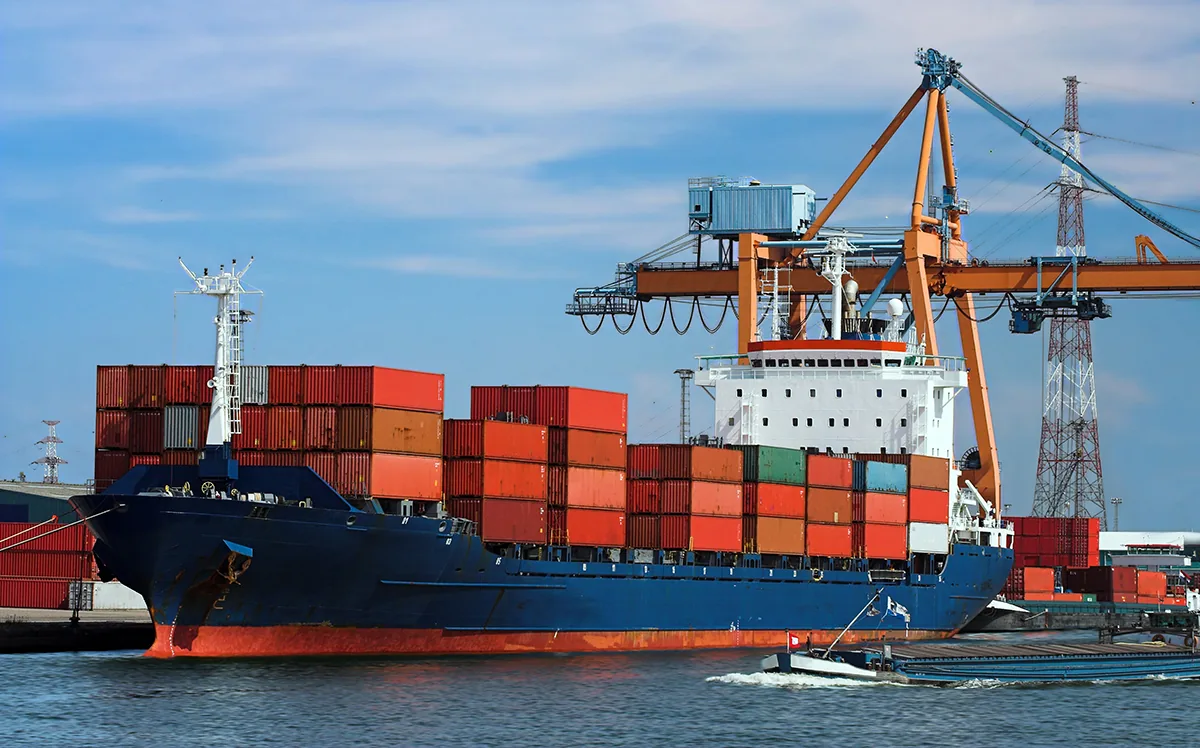
- Sea freight: The most common and cost-effective option for bulky or heavy cargo. Goods are typically loaded at major Chinese ports such as Shanghai, Ningbo or Shenzhen and arrive at Lagos (Apapa or Tin Can Island) or Onne. Transit times usually range from 25 to 40 days port-to-port, depending on the routing and carrier. Both FCL (full container load) and LCL (less than container load) services are available. For FCL shipments, you can book a container shipping service directly.
- Air freight: Faster but more expensive, suitable for high-value, time-sensitive or perishable goods. Flights depart from hubs like Guangzhou, Shanghai or Hong Kong and arrive at Lagos, Abuja or Port Harcourt. Typical airport-to-airport transit is 5–10 days, plus customs clearance. See our air freight service for details.
- Express courier: For small parcels and samples, international express services (e.g., DHL, FedEx) offer door-to-door delivery in about 3–7 working days, but costs are high per kilogram.
- Rail freight: Not currently a practical option for China–Nigeria trade due to geographical constraints; rail networks do not connect the two regions.
Typical Transit Times
Transit times vary by mode, routing and destination:
- Sea FCL: 25–40 days port-to-port, plus 5–10 days for customs and inland delivery.
- Sea LCL: 30–45 days due to consolidation and deconsolidation.
- Air freight: 5–10 days airport-to-airport, plus clearance.
- Express: 3–7 working days door-to-door.
These are indicative ranges; actual times depend on carrier schedules, port congestion and customs efficiency.
What Affects Shipping Costs
Several factors influence the total cost of shipping from China to Nigeria:
- Mode and volume: Sea freight is cheapest per cubic meter or kilogram for large shipments; air and express are more expensive but faster.
- Weight and dimensions: Chargeable weight (volumetric or actual, whichever is greater) determines air and express costs.
- Seasonality: Rates peak before major holidays and during busy periods.
- Destination charges: Nigerian ports impose terminal handling, shipping line and agency fees, which can be substantial.
- Customs duties and taxes: Import duties, VAT (7.5%) and other levies apply based on the goods' value and HS code.
- Inland transportation: Moving cargo from the port to final destination within Nigeria adds cost, especially for distant cities.
Customs Clearance and Documentation
Nigerian customs clearance can be complex. The Nigeria Customs Service (NCS) requires accurate documentation and compliance with import regulations. Key documents typically include:
- Commercial invoice
- Packing list
- Bill of lading (for sea) or air waybill (for air)
- Certificate of origin (where applicable)
- Form M (for imports financed through banks)
- SONCAP certificate for regulated products (ensuring conformity to Nigerian standards)
- Insurance certificate
Importers must also register with the Nigeria Customs Service and obtain a Tax Identification Number (TIN). Customs duties are calculated based on the CIF (cost, insurance, freight) value. It's advisable to work with a licensed customs broker to navigate the process and avoid delays.
Practical Tips for Shippers
- Plan ahead: Account for longer transit and clearance times; avoid tight deadlines.
- Choose the right Incoterms: Clearly define responsibilities between seller and buyer (e.g., FOB, CIF, DDP).
- Verify product compliance: Ensure goods meet Nigerian standards, especially for regulated items like electronics, food and chemicals.
- Consolidate shipments: For LCL, consolidating multiple suppliers' goods can reduce costs.
- Insure your cargo: Protect against loss or damage, especially for high-value goods.
- Work with experienced partners: A freight forwarder with local expertise can handle documentation, customs and inland delivery efficiently.
Conclusion
Shipping from China to Nigeria involves careful planning and attention to detail. By understanding the available modes, typical timelines, cost factors and customs requirements, shippers can optimize their supply chain and avoid costly delays. Whether you choose sea, air or express, partnering with a reliable logistics provider ensures a smoother experience from origin to destination.
The Forwarder's Take: What This Means for Your Next Nigeria Shipment
The guide above tells you what the options are; it doesn't tell you where Nigeria shipments actually go wrong. In our experience, the transit time is rarely the problem—the cash flow and clearance sequence is. Nigerian importers often discover too late that Form M and SONCAP must be in place before cargo sails, not while it's on the water. A container that arrives with incomplete paperwork can sit at Apapa or Tin Can for weeks, and demurrage plus terminal charges usually dwarf any freight savings you negotiated.
Plan backward from your sale date, not forward from your supplier's ready date. For regulated goods, start SONCAP testing and Form M validation while production is still running—typically several weeks before booking. Budget for destination charges as a separate line item; they are frequently 20-40% of the all-in cost and are quoted in naira, so exchange-rate movement matters.
Questions worth putting to your forwarder before you book:
- Who validates Form M and SONCAP, and at what stage?
- Are destination charges quoted in writing, and in which currency?
- What is your typical dwell time at Lagos ports, and who absorbs demurrage if documents slip?
- Can you consolidate multiple suppliers into one LCL lot without mixing HS codes?
- What is your contingency if the port congestes—alternate terminal or inland depot?
Choose a partner who answers these in specifics, not reassurances.
Get a freight quote
Tell us what you're moving and where — we'll reply within one working day.