
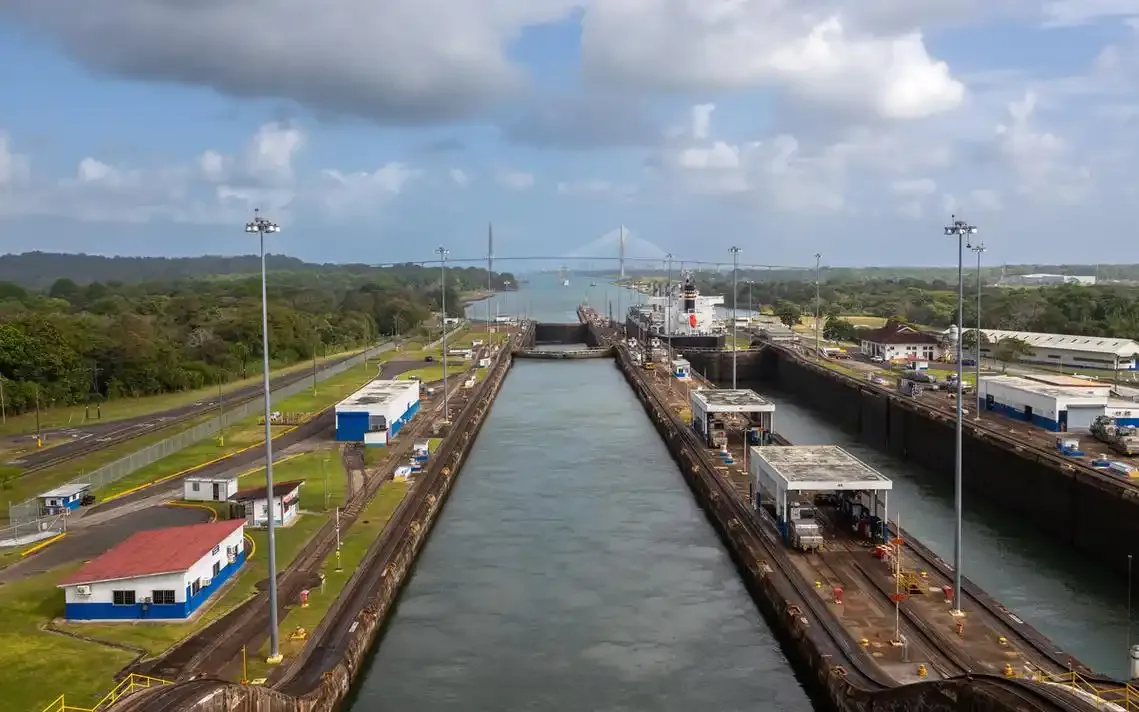
The Panama Canal Authority has reinstated its earlier booking and reallocation criteria and updated eligibility for its net-zero programme, signalling a further step back from the restrictive measures introduced during the drought period.
What the Canal Authority Has Changed
The Panama Canal Authority has restored its previous booking criteria, reversing adjustments that had been in place during the period of tight transit capacity. Alongside the reinstatement of the earlier booking rules, the authority has updated the reallocation criteria that govern how slots are redistributed, as well as the eligibility conditions for its net-zero programme.
The move points to a further normalisation of the operating environment at one of the world's most important maritime chokepoints. For carriers and shippers alike, booking rules sit at the heart of voyage planning: they determine how far in advance slots can be secured, how those slots are allocated when demand exceeds supply, and how flexibility is handled when schedules shift.
Why Booking Criteria Matter to Shippers
Booking conditions at the Panama Canal are not a purely administrative matter. When the authority tightens criteria, the effects ripple quickly through ocean schedules:
- Carriers must plan transits further ahead, reducing their ability to adjust rotations at short notice.
- Slot scarcity can push vessels toward alternative routings, adding transit time and cost.
- Reallocation rules determine which operators gain capacity when slots are released or reassigned, which can affect service reliability for cargo owners.
- Uncertainty around booking windows makes it harder for shippers to commit to delivery dates and for forwarders to guarantee transit times.
Restoring the previous criteria therefore reduces one layer of uncertainty. It suggests the authority is comfortable enough with current conditions to return to its standard framework rather than the exceptional measures used during capacity constraints.
The Net-Zero Programme Update
The authority has also revised eligibility for its net-zero programme. While the specific eligibility changes were not detailed in the initial announcement, such programmes typically tie vessel incentives or prioritisation to emissions performance and fuel-efficiency criteria. For shipowners, eligibility can influence both the economics of a transit and the pace at which fleets are upgraded or re-deployed on routes through the canal.
For cargo owners, the practical relevance is indirect but real: incentive structures shape which vessels and services are deployed on Panama-dependent lanes, and over time can influence the cost and emissions profile of the ocean freight options available to them.
What It Means for Ocean Freight Planning
The restoration of previous booking criteria is a signal of stability rather than a dramatic change in capacity. Shippers should read it as a prompt to revisit assumptions built during the tighter period:
- Review transit-time buffers that were added when booking conditions were restrictive, and assess whether they are still necessary.
- Re-examine routings that were shifted away from the canal and compare them against current schedules and costs.
- Confirm with carriers how the reinstated reallocation rules affect slot reliability on the specific services you rely on.
- Keep contingency plans in place: canal conditions can change with weather and water levels, and flexibility remains valuable.
Wintoo's ocean freight service supports shippers moving cargo on Panama-dependent lanes, including schedule planning and contingency routing when conditions shift. For cargo that needs to move quickly around congestion or schedule gaps, our air freight service offers an alternative for time-sensitive consignments.
A Return to Routine, Not a Return to Complacency
The reinstatement of previous booking criteria is best understood as the canal returning to its standard playbook. It does not eliminate the underlying sensitivity of the waterway to climate and water-level conditions, and operators will continue to monitor those factors closely.
For shippers, the takeaway is straightforward: planning conditions have improved, and contracts and schedules can be built on more conventional assumptions. But the experience of recent years has shown that canal capacity can tighten with little warning, so maintaining visibility across routings and modes remains prudent. Forwarders and cargo owners who keep both their primary plans and their alternatives current will be best placed to absorb whatever the next change at the canal brings.
What This Means for Importers Shipping Out of China
The return to standard booking rules is welcome, but don't treat it as a green light to strip out every buffer you built during the tight period. In practice, the constraint importers feel first is not the canal's rulebook but vessel deployment: when carriers regain confidence in slot reliability, they tend to reshuffle rotations on Asia–US East Coast and Asia–Caribbean lanes over the following few weeks, and that is when booking cut-offs and rollover risk actually move. Expect transit times on all-water Panama routings to settle back toward their usual 25-35 day range from Chinese load ports, but plan for schedule churn before it stabilises.
- Ask your forwarder which specific services they use through the canal, and whether the carrier has confirmed slot allocations under the reinstated reallocation rules.
- Re-quote rather than assume: rates on Panama-dependent lanes can drift as capacity is reabsorbed.
- Keep a live alternative for time-critical cargo — either a West Coast discharge plus inland move, or air for urgent consignments.
- Confirm in writing how rollovers and rebooking are handled if a slot is reassigned.
Wintoo is watching carrier rotation changes on these lanes closely and can advise on routing and buffer assumptions for your next booking cycle.
Sources
Get a freight quote
Tell us what you're moving and where — we'll reply within one working day.