
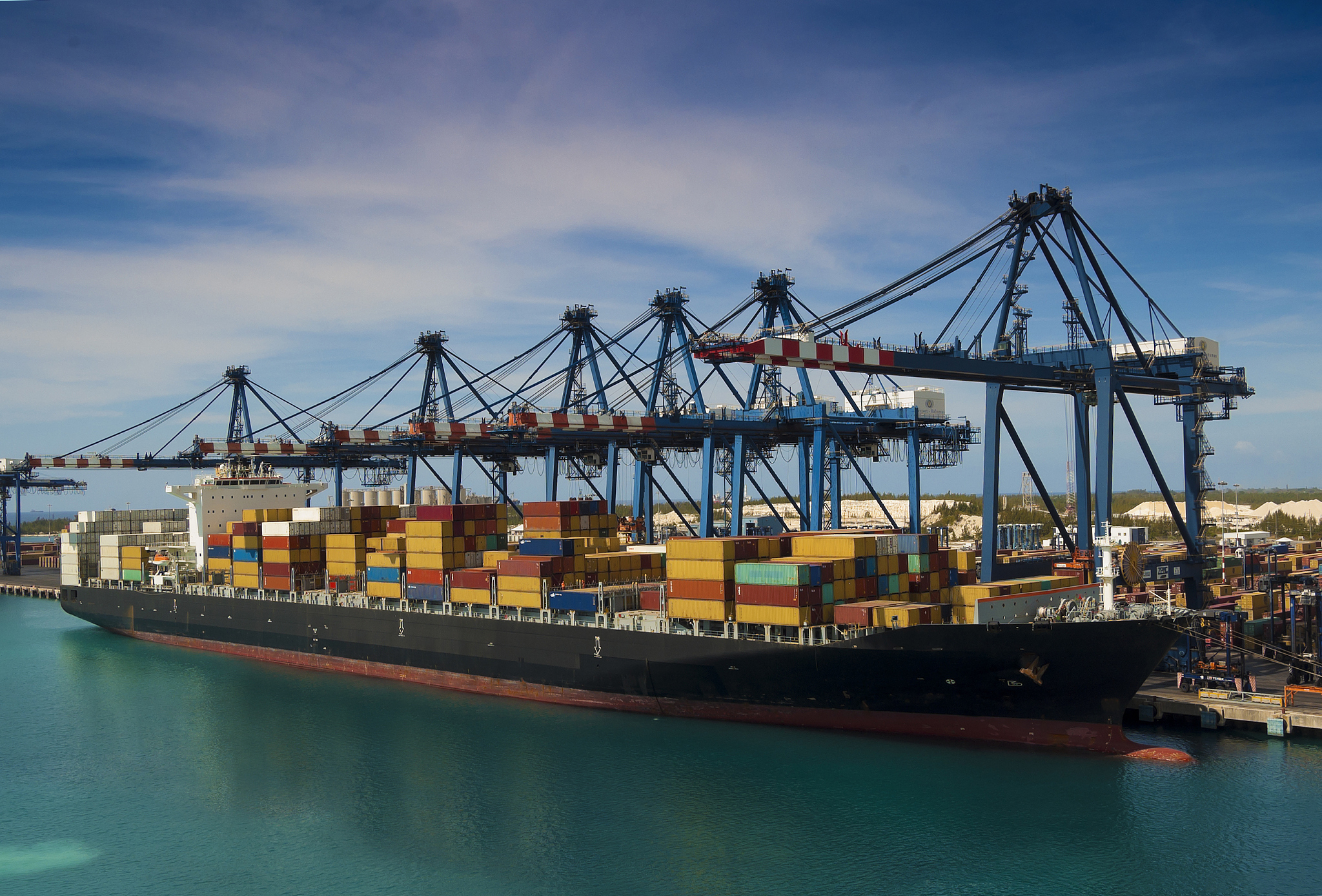
The Red Sea is still closed to most scheduled services, and the detour around the Cape of Good Hope is still being priced into every Asia–Europe shipment. Container rates have eased from their mid-year peak but remain far above pre-conflict levels — and they look set to stay there through 2026.
Where rates stand now
In mid-August 2026, Asia–North Europe prices averaged about $5,000 per FEU. That is down more than $1,000 from the July high, but still roughly $1,800 above where the lane traded in May before peak season. Asia–Mediterranean rates fell harder — about 30% from their July peak — while the US lanes stayed firm: Asia–US West Coast around $7,400 per FEU and Asia–US East Coast near $9,400.
Drewry's World Container Index hit $4,639 per 40-foot container on 9 July 2026, its highest since September 2024. Compared with the $2,500 per FEU that Asia–Europe cost before the conflict, the market is still structurally higher.
The surcharges behind the number
A headline rate no longer tells the whole story. In March 2026, CMA CGM introduced an Emergency Conflict Surcharge of $2,000 per 20-foot dry container, $3,000 per 40-foot, and $4,000 per reefer for affected Middle East destinations. War-risk insurance premiums for Strait of Hormuz transits were expected to roughly double. On top of that, carriers have announced emergency fuel surcharges and Panama Canal surcharges of $200–$1,000 per FEU.
All of this lands on the invoice as separate lines. When you compare quotes, ask for the all-in price, not just the base ocean freight.
What to expect into H2 2026
Some carriers have begun cautious, selective moves back toward Suez — Maersk and Hapag-Lloyd restored a handful of services in mid-2026 while keeping contingency plans to revert to the Cape. But analysts do not expect a full return this year, and a complete reopening would release roughly 6% of global fleet capacity at once, potentially triggering fresh port congestion.
For shippers, the practical takeaway is simple: rates have probably peaked but will not collapse soon. Book space early, lock the all-in cost, and keep a small buffer in your delivery dates.
Sources
Compare your ocean options
We'll quote the all-in FCL or LCL cost — freight, surcharges and clearance — so there are no surprises.