
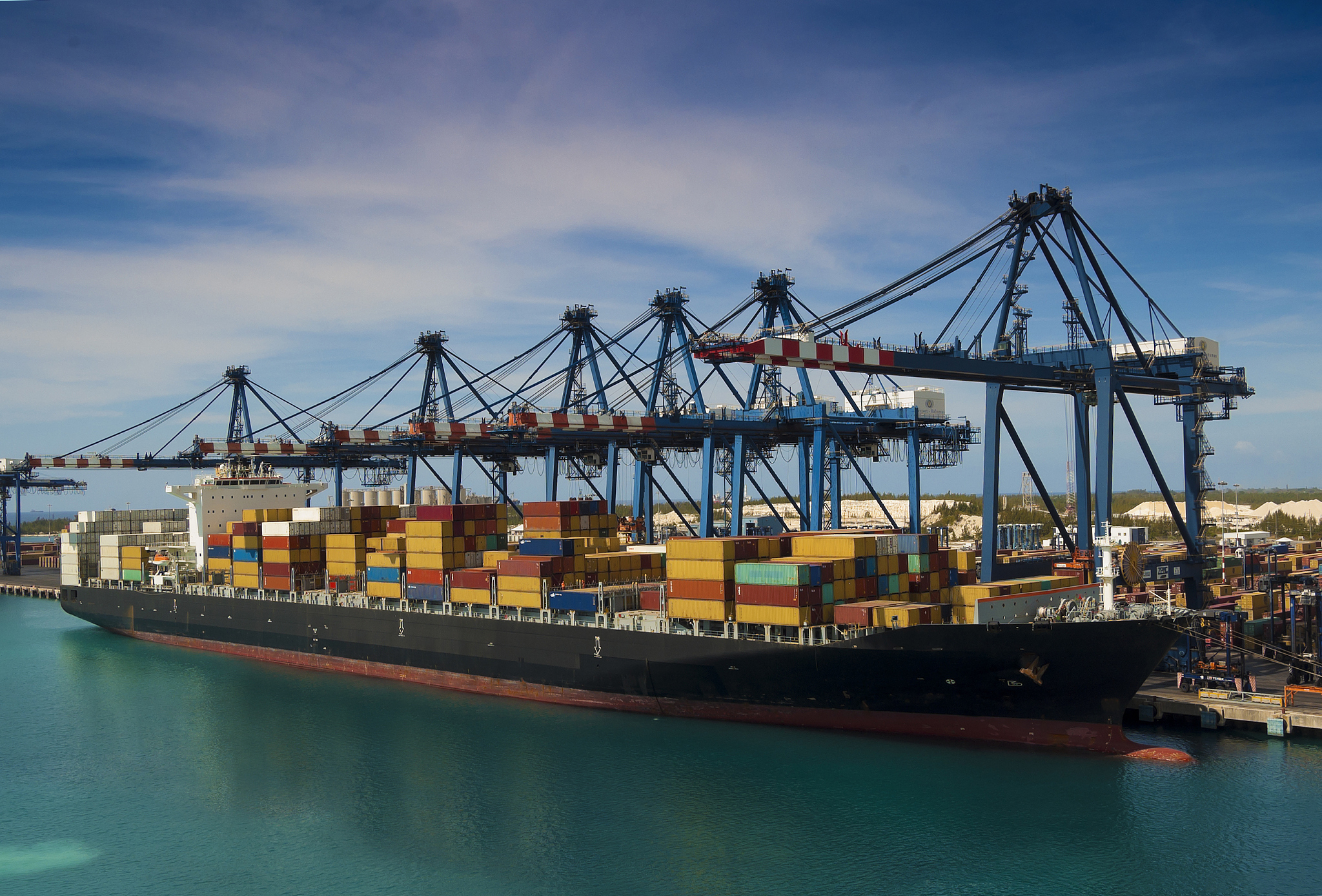
Shipping faces simultaneous disruptions at the Strait of Hormuz and Bab al-Mandeb, squeezing global trade routes and raising costs for shippers.
Two Chokepoints, One Crisis
Global shipping is being squeezed by conflicts around two of the world's most critical maritime chokepoints: the Strait of Hormuz and the Bab al-Mandeb. According to a report by Seatrade Maritime, these simultaneous disruptions are creating a compounded crisis for international trade, forcing vessels to navigate heightened security risks and longer, more expensive routes.
The Strait of Hormuz, located between the Persian Gulf and the Gulf of Oman, is the world's most important oil transit chokepoint. The Bab al-Mandeb, which connects the Red Sea to the Gulf of Aden, is a vital gateway for vessels using the Suez Canal. Together, they form the backbone of the Europe-Asia trade route. When both are under threat, the ripple effects are felt across supply chains globally.
The Nature of the Disruptions
The report indicates that shipping in these regions is facing a range of security challenges, from geopolitical tensions to attacks on commercial vessels. While the exact nature of the threats may vary, the common thread is that they are making these routes increasingly hazardous for crews and costly for operators.
- Strait of Hormuz: Tensions involving Iran and Western powers have periodically led to seizures of vessels and threats to shipping. This chokepoint is crucial for oil tankers and container ships alike, and any disruption can cause immediate spikes in energy prices and freight rates.
- Bab al-Mandeb: Attacks by Houthi forces in Yemen have targeted commercial shipping, leading many carriers to avoid the Red Sea and Suez Canal altogether. This forces vessels to take the longer route around the Cape of Good Hope, adding thousands of miles and significant delays.
The combination of these two crises means that shippers cannot simply reroute from one chokepoint to the other; both are compromised, leaving few alternatives for certain trade lanes.
Impact on Global Shipping
The immediate consequence is longer transit times and higher costs. Carriers rerouting around Africa must account for additional fuel, crew wages, and insurance premiums. These costs are typically passed on to shippers in the form of higher freight rates and surcharges.
Moreover, the uncertainty is causing schedule unreliability. Ports in Europe and Asia may face congestion as vessels arrive off-schedule, and empty container repositioning becomes more complex. For industries reliant on just-in-time inventory, such as automotive and retail, the delays can be particularly disruptive.
- Freight rates: Spot rates on Asia-Europe routes have surged as capacity is absorbed by longer voyages.
- Insurance: War risk premiums for vessels transiting these areas have increased sharply.
- Supply chain resilience: Many companies are now diversifying suppliers and increasing safety stock to buffer against delays.
What It Means for Shippers
For freight forwarders and their customers, the situation demands agility and proactive planning. Shippers should consider the following:
- Budget for higher costs: Expect elevated freight rates and surcharges for the foreseeable future. Build these into pricing and contracts.
- Plan for longer lead times: If your cargo normally moves via Suez, assume it will take the Cape route. Adjust inventory planning accordingly.
- Explore alternatives: Air freight and rail (where available) can be viable for time-sensitive or high-value goods, though capacity is limited and costs are higher.
- Stay informed: Monitor advisories from carriers, insurers, and authorities. The situation is fluid and can change rapidly.
Conclusion
The dual crises at Hormuz and Bab al-Mandeb represent a significant challenge for global shipping. With no quick resolution in sight, shippers must adapt to a new reality of higher costs, longer transit times, and increased uncertainty. As the situation evolves, Wintoo will continue to provide updates and support to help you navigate these turbulent waters.
Sources
Get a freight quote
Tell us what you're moving and where — we'll reply within one working day.