
Geopolitical tensions, port congestion, and shifting freight rates dominate the latest logistics news. This update covers the impact on the Strait of Hormuz, Shanghai and Ningbo berthing disruptions, and air freight capacity changes on Asia-Europe routes.
Geopolitical Tensions and Shipping Routes
The latest escalation in US-Iran relations has raised concerns about the Strait of Hormuz, a critical chokepoint for global oil and container shipping. According to ex-liner executive Nils Roche, the situation could lead to rerouting of vessels and increased insurance costs. However, there are signs of a return to Suez transits as some carriers cautiously resume using the route, which had been avoided due to earlier risks. This shift could ease some capacity constraints but remains subject to geopolitical developments.
For shippers, the key takeaway is the continued volatility in routing decisions. Any disruption in the Strait of Hormuz would primarily affect energy shipments, but container lines may also face delays and higher costs if they need to divert. The potential return to Suez offers a glimmer of stability, but it is not yet a full recovery.
Port Congestion in Shanghai and Ningbo
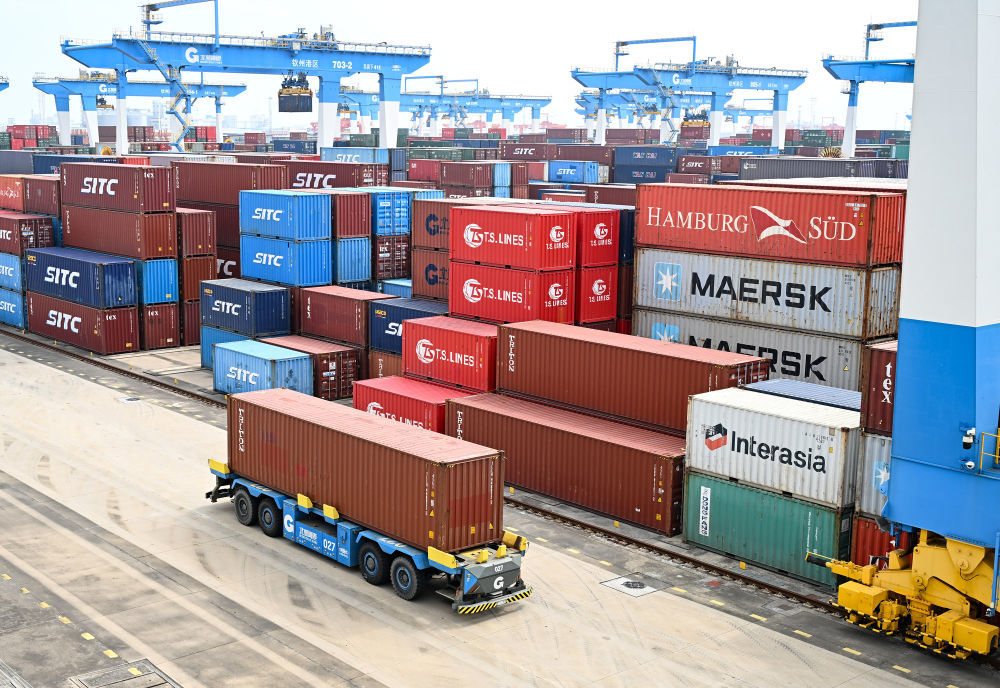
Berthing disruptions at Shanghai and Ningbo, two of the world's busiest ports, are adding to supply chain delays. While the specific causes are not detailed in the report, such congestion typically stems from a combination of factors including weather, operational bottlenecks, and sudden surges in volume. The impact is felt across global supply chains, as these ports handle a significant share of China's exports.
Shippers with cargo routed through these ports should anticipate potential delays and plan inventory accordingly. The congestion also puts upward pressure on freight rates as carriers adjust schedules and incur additional costs. It is advisable to work closely with freight forwarders to explore alternative routing or contingency plans.
Air Freight: Capacity and Rate Pressures
The air freight market is experiencing falling capacity on Asia-Europe routes, largely due to the EU's de minimis changes. These changes affect the threshold below which imports are exempt from duties and taxes, leading to a reduction in e-commerce volumes that previously filled cargo holds. As a result, airlines are adjusting capacity, which is tightening supply and driving up rates.
Additionally, growing concerns over Russian and Middle Eastern airspace are prompting carriers to reroute flights, adding to transit times and costs. The combination of reduced capacity and longer routings is likely to keep air freight rates elevated in the near term. Shippers relying on air cargo should expect higher costs and plan for longer lead times.
Implications for Shippers and Forwarders
For logistics professionals, these developments underscore the need for agility and proactive planning. The interplay of geopolitical risks, port congestion, and air freight capacity issues means that supply chains must be resilient. Companies should consider diversifying their carrier mix, building buffer stock, and using real-time tracking to mitigate disruptions.
Freight forwarders like Wintoo are well-positioned to help navigate these challenges by providing up-to-date market intelligence and flexible solutions. Whether it's finding alternative ocean routes or optimizing air cargo options, a trusted partner can make a significant difference in maintaining supply chain continuity.
As the situation evolves, staying informed and adaptable will be crucial. The coming weeks will likely see further adjustments in rates and capacity as the industry responds to these pressures.
Sources
Get a freight quote
Tell us what you're moving and where — we'll reply within one working day.