
Low-value parcels into the European Union are no longer duty-free. From 1 July 2026, the EU cancelled its €150 exemption and added a €3 per-item temporary tariff. For cross-border sellers, that changes the landed-cost maths — and the way parcels should be shipped.
What actually changed
The United States scrapped its de minimis exemption for small parcels in 2025. The EU has now followed. Every low-value consignment into the EU is subject to customs formalities and a €3 per-item tariff on top of any applicable duty and VAT.
The effect showed up quickly in the numbers. China's B2C cross-border e-commerce exports fell 11% year-on-year in April 2026, with shipments to the US down 33% and to Europe down 6%. Hong Kong-to-Europe volumes dropped 19% month-on-month and 24% year-on-year in July.
What it means for air freight
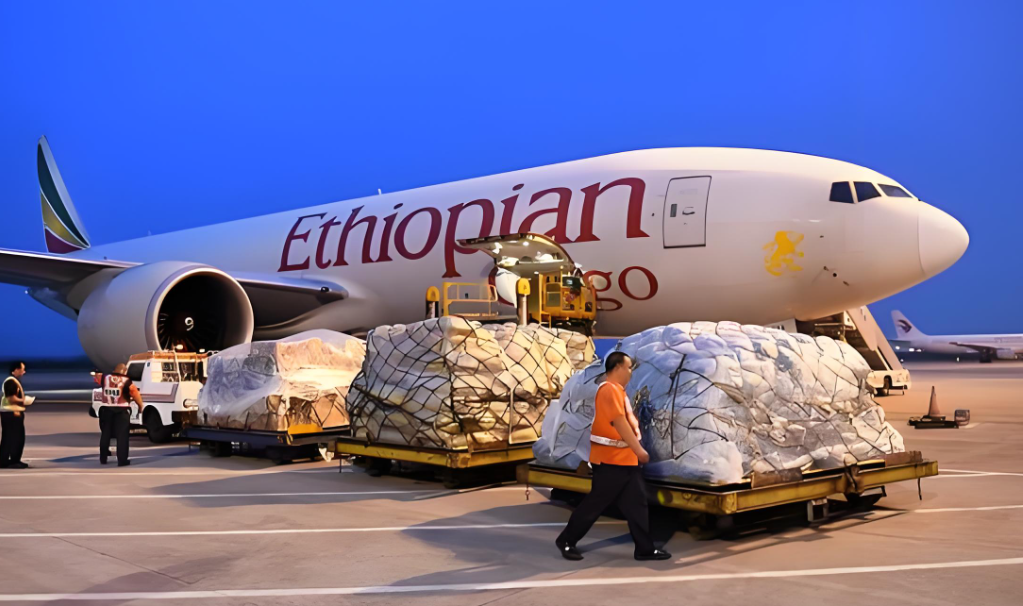
China-to-US air rates hit $5.86/kg in May 2026, up 46% year-on-year — but that was driven by AI hardware and semiconductors, not e-commerce. China-to-Western-Europe rates eased to about $3.85/kg in August as low-value parcel volumes cooled after the rule change.
In short, e-commerce is no longer the thing keeping air rates up. Semiconductors and high-end manufacturing have taken over as the main air-cargo demand, and analysts do not expect the usual e-commerce-driven peak season this year.
What sellers should do now
First, stop pricing parcels on the old duty-free assumption. Build the €3 per-item tariff, VAT and any duty into your landed cost before you list. Second, consider consolidating: shipping many small items as one LCL or air consolidation can be cheaper per unit than individual parcels once the per-item tariff applies. Third, get the paperwork right — a clean commercial invoice keeps customs clearance from stalling at the border.
If you buy on 1688 and ship to Europe, we can consolidate your orders in Shenzhen and work out the landed cost before anything leaves, so the price you charge is the price you keep.
Sources
Selling into Europe?
We'll consolidate your 1688 orders and work out the landed cost before your goods leave Shenzhen.