
A practical, end-to-end guide to shipping from China to the Netherlands, covering ocean, air, rail, and express options, transit times, costs, customs, and documents.
Shipping from China to the Netherlands: Options, Transit Times, and Costs
Shipping from China to the Netherlands is a common route for European importers because the country hosts two of Europe's busiest gateways: the Port of Rotterdam and Amsterdam Airport Schiphol. Both connect to a dense road, rail, and barge network that reaches Germany, Belgium, France, and beyond. This guide explains the main transport modes, typical transit times, cost drivers, customs requirements, and practical tips for a smooth shipment.
Transport Modes and Typical Transit Times
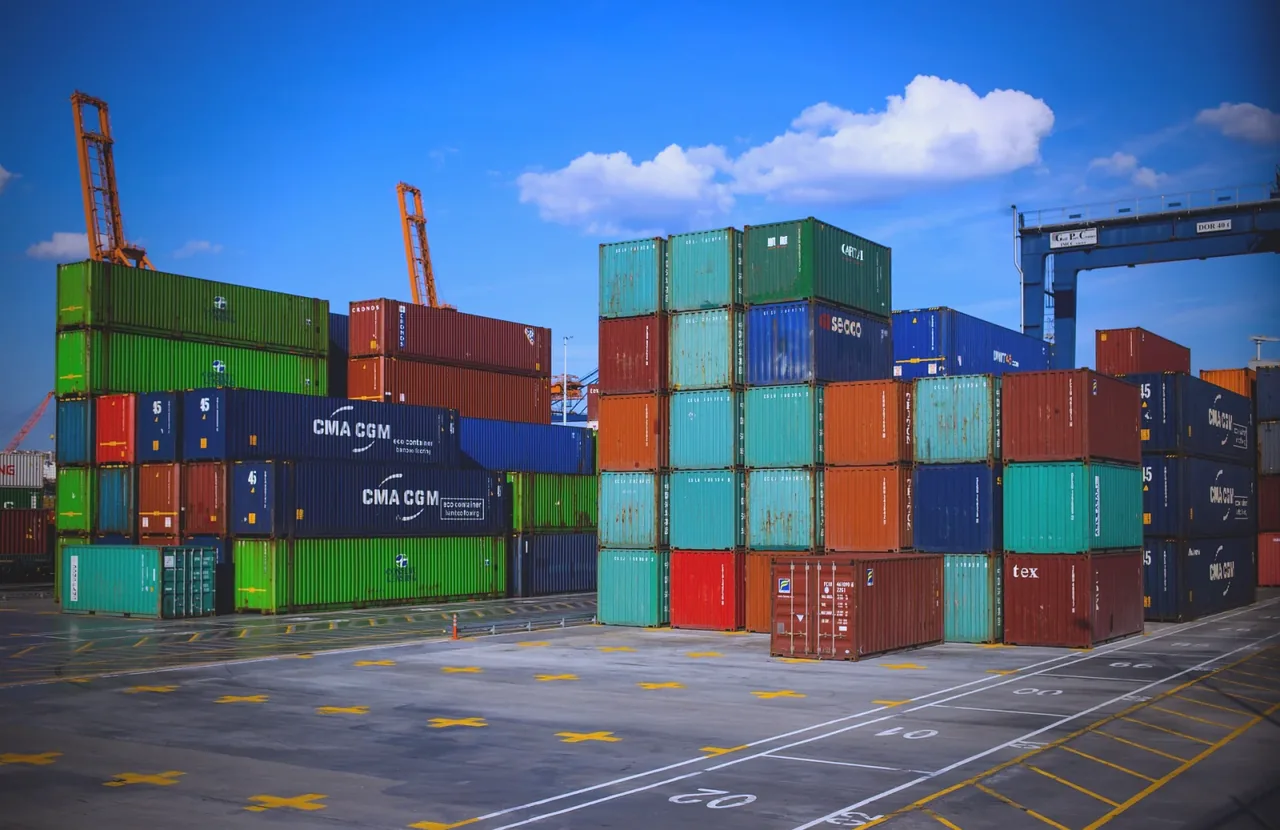
- Ocean freight (FCL/LCL): The workhorse for most cargo. Port-to-port sailing from major Chinese ports (Shanghai, Ningbo, Shenzhen, Qingdao) to Rotterdam usually takes about 25–40 days. Add a few days for inland delivery. FCL (full container load) is faster and cheaper per CBM for large volumes; LCL (less than container load) suits smaller shipments but adds consolidation time.
- Rail freight: A middle option between sea and air. Trains from China to Europe (via Poland, Germany, or directly to the Netherlands) typically take 15–25 days door-to-door. It can be a good balance of cost and speed for medium-sized, time-sensitive cargo. See China-Europe rail freight service for details.
- Air freight: Fastest for large shipments. Flights from China to Amsterdam usually take 3–7 days door-to-door. Air is best for high-value, perishable, or urgent goods, but costs are much higher per kilogram.
- Express courier: Door-to-door for small parcels and samples, typically 3–7 days. Convenient but expensive for heavy or bulky items; see express shipping service.
What Affects Cost
Freight rates are dynamic. Key factors include:
- Mode and volume: Ocean is cheapest per CBM, air most expensive. FCL vs LCL changes the calculation.
- Seasonality: Peak season (August–October) and Chinese New Year often raise rates and reduce space.
- Fuel and currency: Bunker adjustment factors and exchange rates can shift quotes.
- Routing and surcharges: Port congestion, peak season surcharges, and inland haulage add to the base rate.
- Cargo characteristics: Weight, dimensions, dangerous goods, and temperature control all affect pricing.
Customs, Duties, and Documents
The Netherlands is the entry point for many EU-bound goods, so customs compliance is critical.
- EORI number: You need an EU Economic Operators Registration and Identification number to clear goods.
- Commercial invoice and packing list: Must match the shipment and state value, quantity, and description.
- Bill of lading or airway bill: The transport contract and proof of shipment.
- Certificate of origin: May be required for preferential duty rates under trade agreements.
- Import duties and VAT: The EU applies a common customs tariff. VAT is typically paid on import (often 21% in the Netherlands, with possible deferment schemes).
- Product compliance: CE marking, safety, and labeling rules apply to many goods. Check requirements before shipping.
A customs broker or freight forwarder can handle declarations and ensure your paperwork is correct.
Practical Tips for Shippers
- Plan around lead times: Add buffer for ocean and rail, especially during peak season.
- Consolidate where possible: Combining shipments can reduce per-unit cost.
- Insure your cargo: Marine cargo insurance is inexpensive relative to potential loss.
- Label clearly: Accurate marks and labels speed up handling and customs.
- Work with an experienced forwarder: A partner who knows the China–Netherlands lane can advise on routing, documentation, and compliance.
Choosing the Right Mode
For large, non-urgent volumes, ocean freight to Rotterdam is usually the most economical. For urgent or high-value goods, air freight into Amsterdam offers speed. Rail sits in between, offering a reliable compromise. Many importers mix modes depending on inventory needs and budget. Whatever you choose, early planning and correct documentation are the keys to a smooth shipment from China to the Netherlands.
The Forwarder's Take: What This Means for Your China–Netherlands Supply Chain
The guide above tells you what the options are; it doesn't tell you what to actually do about them. From where I sit, the real risk on this lane isn't picking the wrong mode — it's treating the mode as a fixed decision. Rotterdam and Schiphol are reliable, but the variables around them (blank sailings, rail border congestion, Schiphol slot crunches, peak-season surcharges) move faster than most importers plan for. If your inventory cycle is built on a single transit-time assumption, you're exposed.
What I'd advise:
- Split your volume, not just your budget. Run your steady, non-urgent stock on ocean and keep a small air or rail buffer for your top sellers. The blended cost is usually lower than emergency air on a stockout.
- Build in 1–2 weeks of slack on ocean and rail during August–October and around Chinese New Year. Rates and space tighten together.
- Ask your forwarder three questions: What's your realistic door-to-door range this month, not the brochure number? Who files the EU entry declaration, and under whose EORI? What's your plan if Rotterdam or the rail border backs up?
- Get duty and VAT treatment confirmed before booking, especially if you're using deferment or a fiscal representative.
A good forwarder on this lane earns their margin on exceptions, not on the sailing itself.
Get a freight quote
Tell us what you're moving and where — we'll reply within one working day.